
How I Took a Full Week Off as an STR Host Without Living in My Inbox
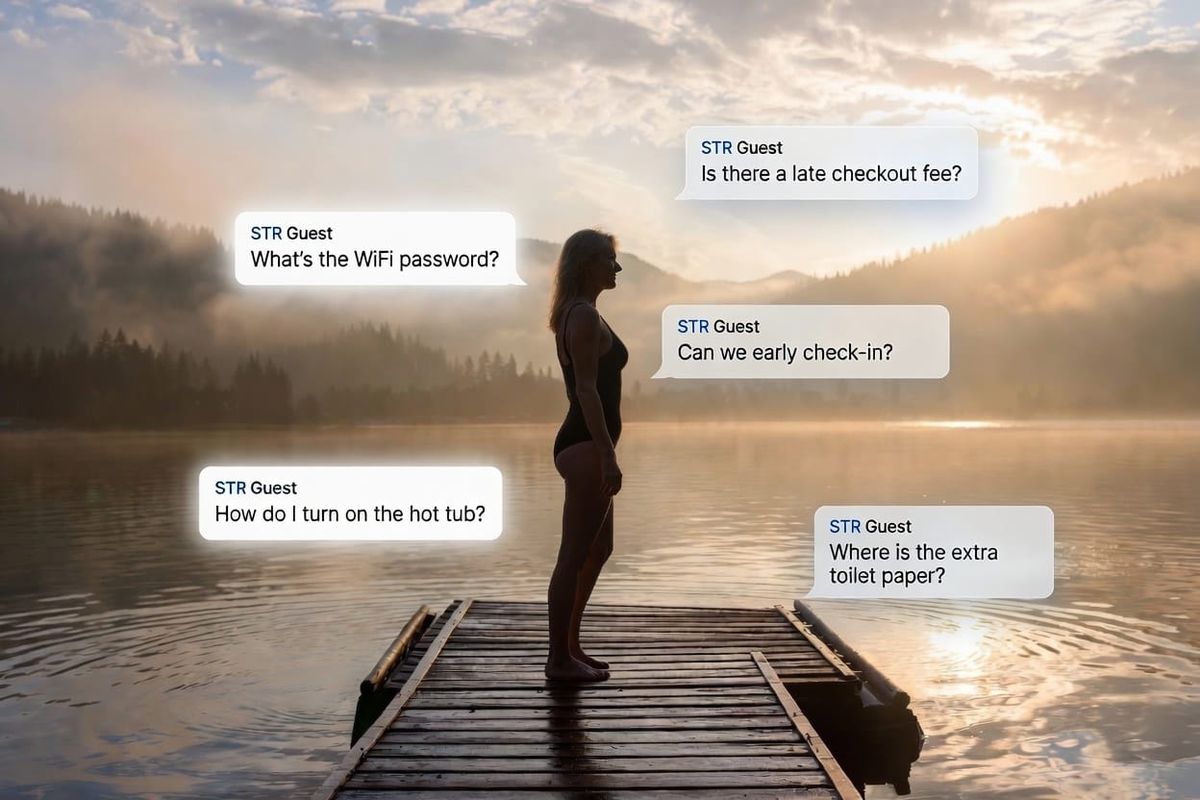
Last year in Hong Kong, family conversations kept getting interrupted by the familiar ding of another guest message. I’d look down, answer, look back up, and realize I’d missed half of what someone had just said. That’s when it hit me hard: I hadn’t really built a short-term rental business. I’d built a demanding job that simply paid me to answer messages from anywhere in the world instead of an office chair.
I already had software. I already had a local team. And I was still the single point of failure.
Last month I took a full week away with my family and didn’t open my host inbox once. Peak summer. Every rental booked solid. Guests still had questions but almost all of them were addressed without me.
That gap between white-knuckling my phone on vacation and actually being able to disconnect didn’t happen by accident. It happened because I finally took the efforts to build real operational backups.
Why Quality of Life Gets Ignored
Most hosts optimize for occupancy, revenue, and reviews — the numbers that show up on a dashboard. There's no metric for "Did I actually get to be present with my family this summer?" So it quietly drops to the bottom of the list, even though it's usually the whole reason people started hosting.
The cost shows up later: answering an 11 p.m. lockbox question while you're half-asleep. Never fully planning a trip because you're afraid of what will break. Eventually, resentment toward a business that was supposed to buy you freedom and instead bought you a leash.
Hosts don't undervalue quality of life because they don't care. They undervalue it because no one hands them a system for protecting it, and they're too busy to create one.
Here's the system I built.
The System That Got Me Off My Phone
1. I documented everything that lived only in my head.
Every quiet task — how to handle a noise complaint, what to tell the cleaner about extra linens, which vendor to call when the swimming pool pump acts up — became a simple SOP.
Not polished manuals. Just clear instructions: what happened, what to do, who to contact. If it only lived in my head, it couldn't happen without me.
2. I hired a VA and trained him on the SOPs, not my instincts.
Hiring help wasn't the turning point. Giving him something real to work from was.
He now handles the vast majority of guest messaging and operations. He's not guessing what I'd do. He's following what I wrote down. Then he improved the SOPs and made them even clearer.
3. I let automation handle the repetitive stuff.
Hospitable centralizes calendars and messaging.
Happy Guest automatically handles ID verification, rental agreements, and check-in instructions.
Host Buddy answers the routine guest questions (early check-in, how to use an amenity, basic troubleshooting) before a human ever sees them.
The goal is simple: build an STR business that doesn’t require me to work 24/7.
4. I built a clear escalation protocol.
My VA knows which issues he owns, which ones need a quick yes/no from me, and which ones are true emergencies.
Naming the tiers out loud stopped both micromanaging and getting blindsided.
5. I built a recurring maintenance and QC process with trusted local teams.
We run a solid checklist on every turnover and on a regular cadence with cleaners and QC inspectors so the house stays well-maintained with supplies well stocked. When the property is consistently cared for, guests ask far fewer questions and far fewer issues ever reach me or my VA.
6. I tested it before I trusted it.
I didn't start with a full week away.
I took a few local days first, watched what broke, fixed the gaps, then stretched the test further each time until a real week off felt safe instead of reckless.
What changed wasn’t the business — it was me.
Guests still have questions. Things still break. But most of them don't require me to hold it together in real time anymore.
I didn’t build these systems to scale faster. I built them so I could live the life I envisioned for myself and my family.
If you’re waiting until “things calm down” to create real backups, they won’t. Things calm down because you build the systems.
That’s what we help hosts do at Savvy Breezy — create an operation with reliable tools you can actually walk away from.