
The STR Host's Playbook for Preventing Neighbor and HOA Complaints
One morning I received an unexpected Airbnb message, not from a guest, but from a neighbor on the same street as one of our short-term rentals. Around 4:30 AM, he'd been jarred awake by noise outside, tracked down our listing, and was convinced our guests were responsible.
Instead of reacting, I investigated.
Our guests later told me the noise was coming from a home across the street. They had young children with them and had been asleep since 9 PM. Our noise monitoring data backed them up. I shared all of that with the neighbor, explained our safeguards, and gave him my direct number. He apologized for the misunderstanding. Since then: zero complaints from that neighbor.
That experience reinforced something I now treat as a core operating principle: preventing neighbor and HOA issues isn't about reacting to complaints. It's about building the systems, communication channels, and trust before problems occur.
Why Neighbor Complaints Matter More Than Ever
The stakes have gotten higher for STR operators. A single neighbor complaint can trigger:
- HOA fines — sometimes hundreds of dollars per incident
- STR Permit risks — repeated complaints can jeopardize your operating license
- Airbnb Safety flags — which can lead to listing suspension while under review
- Negative neighborhood sentiment — the kind that fuels local ordinance campaigns
Most hosts only think about this after something goes wrong. By then, you're reacting, and reactive damage control is always harder than prevention.
Here's the 7-step system I use across our properties:
Step 1: Set Expectations Before Booking
Many hosts wait until after a reservation is confirmed to communicate their most important house rules. By then, the wrong guest may already be booked.
Your listing description is your first filter. Use it to clearly communicate:
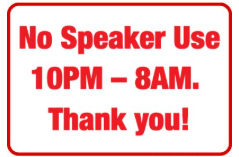
- Quiet hours (e.g., "Quiet hours are strictly enforced from 10 PM to 8 AM")
- No-party policy (explicit, not buried in fine print)
- Occupancy limits and what happens if they're exceeded
Layer them with pre-booking screening questions for larger groups or longer stays. The goal isn't to scare off good guests. It's to self-select for guests who read, respect, and confirm the rules before they arrive.
Step 2: Reinforce Expectations Throughout the Guest Journey
A guest who agrees to your house rules at booking and then receives zero reinforcement is much more likely to forget them. Create touchpoints throughout the journey:
- Booking confirmation — brief, warm reminder of the top rules.
- Rental agreement — signed document that makes expectations legally clear.
- Check-in instructions — revisit quiet hours and noise policy in context.
- Door code message — yes, in the message with their access code. Guests are paying full attention at that moment. A single line about quiet hours or HOA expectations lands differently right before they walk in than it does in a booking email from two weeks ago.
This isn't about being the rule police. It's about creating a paper trail of clear communication, and genuinely helping guests show up prepared.
Pro-tip: Guests are busy so don’t assume they read everything you send. It’s better to over-communicate your top house rules.
Step 3: Use Monitoring Tools (But Use Them Wisely)
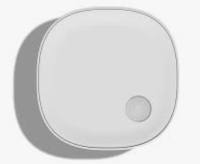
Smart monitoring tools like Minut give you indoor and outdoor noise detection, occupancy sensing, and real-time reports. They're powerful, and easy to misuse.
A few things I've learned:
- Keep reports enabled. The data matters, for your own awareness and as documentation if a complaint ever escalates.
- Don't rely on automated guest calls or alerts. False positives are common. An automated call to a guest at midnight for noise that turned out to be a TV is a fast way to earn a bad review and create conflict where there wasn't any.
- Use the data to verify, not to accuse. More on that next.
Step 4: Verify Before Contacting Guests
Noise alerts don't mean your guests are the problem. Before reaching out:
1. Review the Minut report — what was the decibel level, and for how long?
2. Check your security camera live view — is there unusual activity outside?
3. Look for context — is it 7 PM on a Friday or 2 AM on a Tuesday?
Reacting to every alert immediately creates unnecessary conflict and chips away at the guest trust you've worked to build. Verify first. Contact with specific information, not suspicion.
This is the same approach I used the morning that neighbor messaged me, and it's why I was able to respond with confidence instead of scrambling.
Step 5: Reduce Risk Through Occupancy Controls
Large groups are your highest-risk bookings from a neighbor-relations standpoint. That doesn't mean you shouldn't take them. It just means you should be more deliberate about how you do.
- Set and enforce strict occupancy limits in your listing and rental agreement.
- Apply additional screening for groups at or near your max capacity.
- For properties in HOA communities: require guests to explicitly acknowledge HOA rules in writing before check-in.
For large homes that sleep over 12 guests, this layer isn't optional. It's how you protect the property, the neighbors, and the STR permit.
Step 6: Make Compliance Easy
Don't assume guests will remember your rules once they arrive. Make the right behavior the easiest behavior.
- Outdoor signage near the hot tub, fire pit, and deck with a quiet-hours reminder
- No outdoor music policy posted strategically near speakers or common areas
- A brief, friendly reminder card at check-in goes further than a long PDF guests never read
The goal is to make compliance automatic. Guests see the sign, they remember, they comply. No confrontation required.
Step 7: Build Relationships with Neighbors
Your neighbors are your first line of early warning. A neighbor who has your phone number and trusts you will text you before they escalate. A neighbor who doesn't know you exists will go straight to the HOA or Airbnb.
A few practices that work:
- Introduce yourself (in person, by note, or both) when you launch a new property
- Give neighbors your cell phone number
- Consider a neighborhood STR WhatsApp or Facebook group if there are other hosts on the street. Hosts can identify issues quickly, share best practices, and demonstrate the kind of proactive community stewardship that builds goodwill. This is important to keeping local sentiment from turning against STRs altogether. If there is none, consider creating and administering one yourself.
Prevention Is a System, Not a Reaction
Every step in this playbook is designed to reduce the chance that a problem ever reaches the point of a complaint, to a neighbor, the HOA, or Airbnb. And when something does happen, to give you the documentation, data, and relationships to respond from a position of calm confidence rather than damage control.
The hosts who avoid neighbor and HOA issues long-term aren't just lucky. They've built systems that make good outcomes the default.
If you're managing an STR, or thinking about launching one, the time to build these systems is before you need them.
Are there STR operation challenges keeping you up at night?
Whether it’s neighbor or HOA complaints, guest problems, bad reviews or other matters, I can help you build the systems that prevent them. At Savvy Breezy, I work with hosts to put the right frameworks in place before problems occur, not after.